Interviews
Stage 6: It will be an 'ambush zone' with dirt roads according to Michael Woods
The Canadian, three-time stage winner at the Vuelta, analyses the return of gravel
R
Written by
Editorial Team
2 min read

The Canadian, three-time stage winner at the Vuelta, analyses the return of gravel

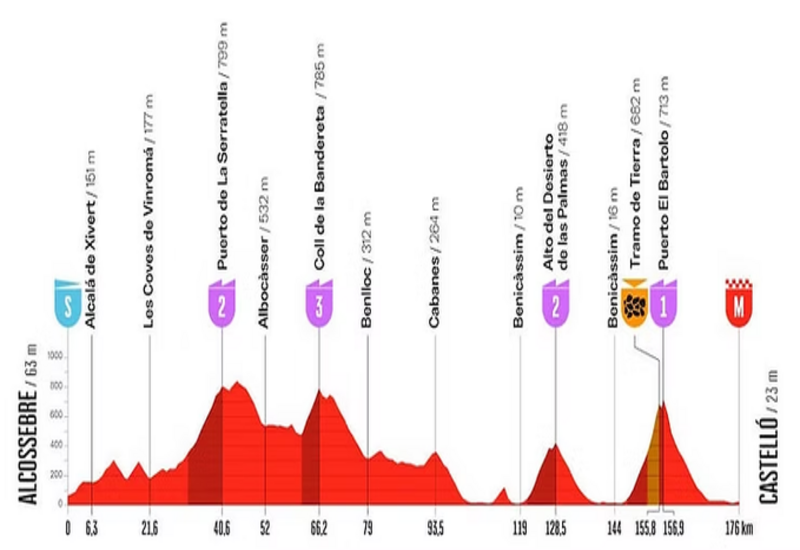
The further south you descend into the Iberian Peninsula, the more challenging the climbs become. But it's stage 6 that offers the first major twist, with the return of gravel roads inserted right on the final climb of a mountainous section in northern Valencia.
The Vuelta has dubbed this 177.4 km (110.4 miles) scheduled for August 27 the "ambush zone." Canadian rider and three-time Vuelta stage winner Michael Woods calls it "fascinating, interesting, high drama," but these adjectives apply more to spectators and television viewers than to the professional riders in the race.
"Like the 2022 Tour or the 2024 Tour, with the gravel sectors, or like the Giro in the past with a Strade Bianche-style stage [in 2021], introducing gravel brings a lot more chaos. And from a spectator's point of view, it's fantastic. So I understand why the Grand Tours are interested in introducing them," Woods told Cyclingnews .
"I think most riders would prefer it if they weren't there, especially if you're fighting for the overall. As a GC rider, you rarely try to gain an advantage in these scenarios. You're more concerned with not losing ground."
"The Vuelta had a dirt sector in the Andorra stage [in 2019], where a couple of kilometers were covered on that surface," he explained. "In this case, the sector will be uphill and rather short, so I doubt it will distort the performance of any of the GC riders."
"The only real thing that will change is simply the way the rider tackles the climb. Technically, as far as I'm concerned, I never liked when gravel was introduced because it disadvantages those who like to stand up on the pedals. It's easier to remain seated [to climb on gravel], so you don't lose traction on the rear wheel."
Sports journalist and cycling enthusiast, following professional cycling for over 10 years. Collaborates with FantaCycling to bring you the best analysis and news from the world of cycling.
Ganna continues to improve and finishes 2nd. Seixas finishes 3rd.
Piganzoli wins the overall classification
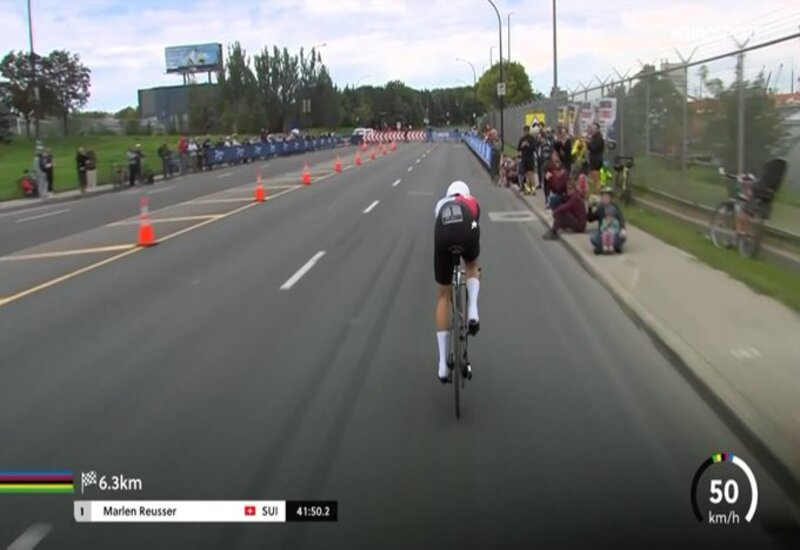
The Swiss celebrates her birthday with her second consecutive world championship gold medal.
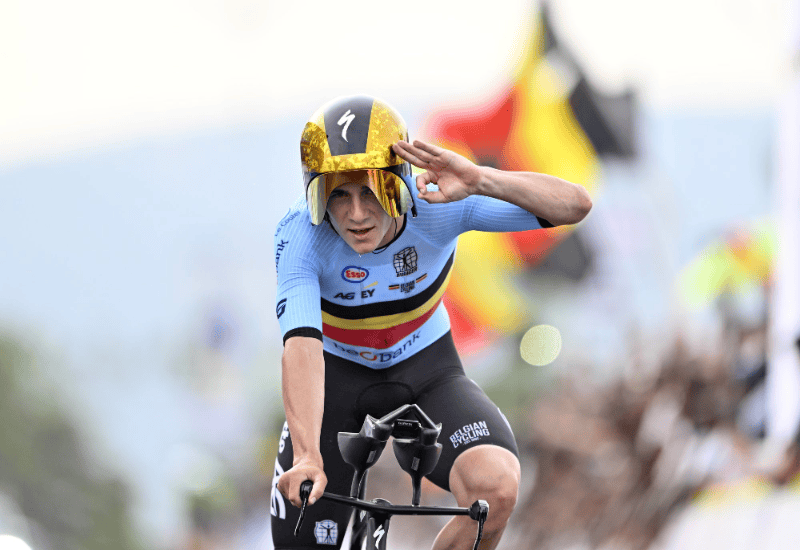
Time trial for specialists: Evenepoel seems unbeatable