Cycling
Visma-Lease a Bike faces sponsorship crisis: $30 million needed
The team is looking for a new title sponsor at least to not lose ground to the rival super teams
R
Written by
Editorial Team
4 min read

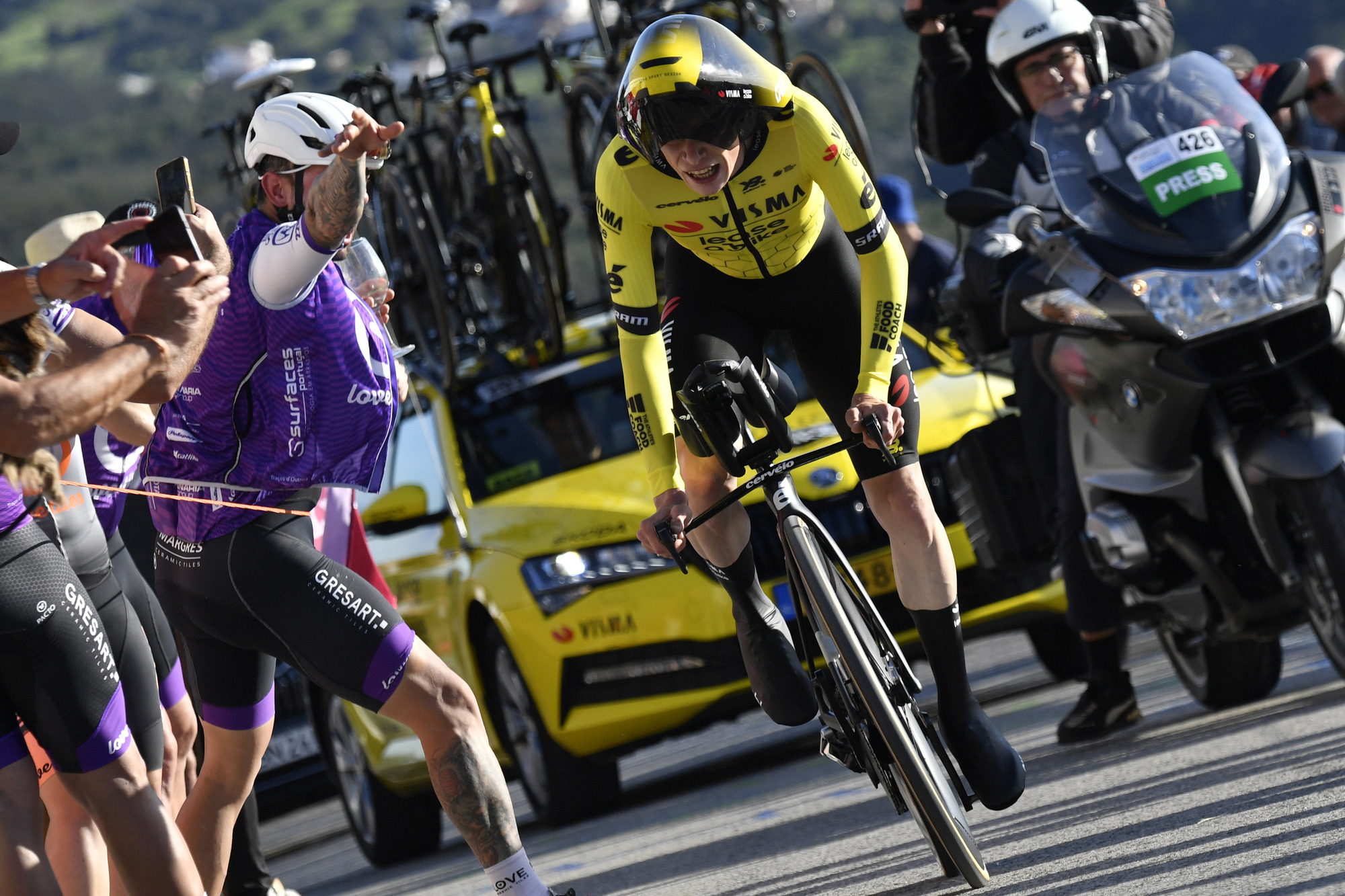
The team is looking for a new title sponsor at least to not lose ground to the rival super teams

Visma-Lease a Bike is facing one of the most difficult challenges in its recent history: finding a new main sponsor worth at least €30 million to remain competitive at the highest levels of professional cycling and not lose ground to giants such as UAE Team Emirates-XRG, Lidl-Trek, Red Bull-Bora-Hansgrohe and Decathlon-CMA CGM.
According to information gathered, Visma is expected to maintain a minor sponsorship role, but would significantly reduce its financial contribution, leaving a financial hole that manager Richard Plugge will have to fill as quickly as possible. The Scandinavian software company, which had aimed to list on the London stock exchange in 2026, has put those plans on hold due to the rapid development of artificial intelligence, which has severely impacted the value of SaaS (Software as a Service) companies.
Yet the team's sporting results in 2025 were extraordinary: victories at the Giro d'Italia and the Vuelta a España , Jonas Vingegaard 's second place at the Tour de France behind Tadej Pogačar, and Pauline Ferrand-Prévot 's triumphs at the Tour de France Femmes and Paris-Roubaix. An enviable list of victories, but not enough to cover the bill.
The team's current budget is estimated to be the fifth or sixth highest in the men's WorldTour. The 2024 financial report revealed sponsorship revenue of €37 million , plus €9.6 million in goods and services, with an additional €5 million generated internally. But with salary costs of €30 million and operating costs of €23 million, the numbers are clear: fresh resources are needed.
€20 million to cover Visma, €10 million to fill the gap
The Dutch team can count on the continued partnerships with Lease a Bike, Skoda, Cervélo, Jumbo, SRAM, and Rabobank, but the loss of Visma's main contribution—estimated at around €20 million annually —is forcing Plugge to seek a new title sponsor capable of not only replacing that figure, but also adding at least another €10 million to truly compete on equal terms with the super-rival teams.
A source familiar with the situation told Cyclingnews that Rabobank could be a natural candidate, but the Dutch bank seems oriented toward investing in grassroots sports in the Netherlands rather than a single professional team. Time is running out: without a new agreement in the coming months, the team will be forced to make drastic decisions about its budget, ambitions, and roster for 2027 and beyond.
"Visma has played at the absolute top, and if you want to continue doing so, you need to find sponsors with adequate resources. But where they'll find that money is the million-euro question," said Marko Heijl , sports marketing expert for Soudal, the sponsor of the Soudal-QuickStep team. "If you look at the last 20 years, budgets have grown 3.5-fold. In the last four years alone, there's been a 30% increase. Finding sponsors with such large budgets is a huge challenge."
An increasingly difficult sponsorship market
This isn't the first time Plugge has faced a similar situation. In 2013, when Rabobank abandoned cycling amid the doping scandals and the Lance Armstrong affair, the Dutch manager managed to find first Belkin, then Jumbo, and finally Visma. But the current situation is far more complex.
Several WorldTour teams are seeking new sponsors: EF Pro Cycling recently announced its intention to find a title sponsor to compete with the big boys and aim for the Tour de France. Competition for capital is fierce: race organizers and even the UCI are vying for the same companies interested in cycling.
To justify a €50 million investment in a single sports sponsor, a brand would need to have widespread commercial interests in Europe—where cycling is most popular—and an annual turnover close to $1 billion. Alternatively, sovereign wealth funds or state-owned entities could be considered, as has already been done with Astana, Bahrain, and the UAE.
But the global picture isn't helping: the sponsorship market has already been busy for years, with the 2026 FIFA World Cup in the USA and the 2028 Los Angeles Olympics draining significant resources. Geopolitical instability and the impact of trade tariffs make it even more difficult to convince major brands to make new strategic investments in the short term.
What does this mean for fantasy cycling? Visma-Lease a Bike's financial situation introduces a significant element of uncertainty for fantasy cycling players. If the team fails to secure new funding, the roster could undergo significant changes in 2027: top riders like Vingegaard could become attractive targets for wealthier teams. For now, the team remains competitive and its stars are solid bets, but it's worth keeping an eye on sponsorship developments in the coming weeks.
Sports journalist and cycling enthusiast, following professional cycling for over 10 years. Collaborates with FantaCycling to bring you the best analysis and news from the world of cycling.